In recent years, Africa has increasingly become a hub of untapped potential, presenting a wealth of opportunities for businesses across sectors such as manufacturing, energy, agriculture, and technology.
However, navigating this path is not without its challenges. Many companies still grapple with persistent infrastructure gaps, inconsistent power supply, inefficient operational processes, and limited access to advanced technologies that are commonplace in more developed markets.
From our experience working with diverse organizations across the continent, we have observed that these challenges, while significant, are not insurmountable. In fact, they present a compelling opportunity for businesses willing to embrace innovation.
Modern engineering solutions, ranging from automation and smart infrastructure to digital integration and energy optimization , are transforming the way African companies operate. By adopting these solutions, businesses are not only improving efficiency and reducing operational costs but also laying the foundation for scalable, sustainable growth that can compete on a global stage.
1. Automation and Process Optimization
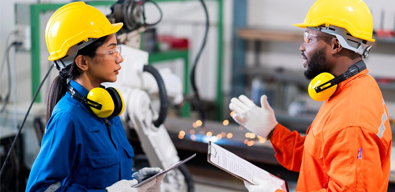
One of the most impactful contributions of modern engineering is automation. By integrating automated systems into production lines, logistics, and service delivery, companies can significantly reduce human error, streamline repetitive tasks, and boost overall productivity.
For example, industries like manufacturing, mining, and agribusiness are leveraging advanced machinery and smart control systems to reduce downtime and improve output quality.
2. Advanced Energy Solutions
Reliable energy access remains a critical challenge for many African businesses. Modern engineering solutions such as renewable energy systems, backup power solutions, and energy-efficient equipment have enabled companies to maintain continuity even in areas with unstable power grids.
Lithium-ion storage systems, solar-powered infrastructure, and energy management platforms are helping businesses reduce operational costs while promoting sustainability.
3. Smart Infrastructure and Industrial Equipment
Investments in smart infrastructure and industrial-grade equipment are transforming the efficiency of African businesses. Intelligent systems in buildings, factories, and commercial operations allow for real-time monitoring, predictive maintenance, and optimized resource management.
Businesses are now able to reduce waste, extend the lifespan of critical assets, and ensure consistent quality in their products and services.
4. Digitalization and IoT Integrationn
The adoption of digital engineering solutions including IoT sensors, cloud-based monitoring, and data analytics has empowered African businesses to make data-driven decisions.
From tracking supply chains to monitoring machinery performance, digital tools provide actionable insights that help companies respond quickly to market demands, avoid costly errors, and improve operational efficiency.
5. Enhanced Safety and Compliance
Modern engineering solutions also enhance workplace safety and regulatory compliance. Advanced monitoring systems, automated safety checks, and engineering designs aligned with international standards help businesses prevent accidents, minimize risks, and meet both local and global compliance requirements.
This not only protects employees but also safeguards corporate reputation.
6. Driving Innovation and Competitiveness
By adopting modern engineering solutions, African businesses are no longer limited to traditional methods. They can innovate processes, develop new products, and enter competitive markets more effectively.
The combination of advanced technology, skilled engineering, and optimized workflows allows companies to scale efficiently and compete globally.
Conclusion
Modern engineering solutions are more than just tools they are catalysts for growth. Across Africa, businesses are leveraging automation, energy management, smart infrastructure, digital integration, and safety systems to streamline operations, reduce costs, and achieve sustainable efficiency. As technology continues to evolve, African companies that embrace engineering innovations will be better positioned to unlock new opportunities and drive lasting impact across the continent.