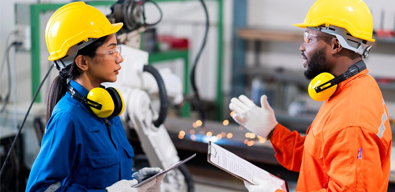
Preventive maintenance is far more than a routine operational task, it is a strategic investment in the longevity and efficiency of your equipment.
From my experience working with industrial and commercial clients across Africa, I’ve seen how neglecting regular maintenance can lead to unexpected breakdowns, costly downtime, and reduced productivity.
By implementing proactive maintenance schedules and condition monitoring, businesses can not only extend the lifespan of their assets but also optimize performance, reduce repair costs, and maintain consistent operational output.
Ultimately, preventive maintenance transforms equipment management from a reactive expense into a cost-saving, efficiency-boosting strategy that delivers measurable value over time.
1. Reducing Unexpected Downtime
Unexpected equipment failures can halt production, delay projects, and negatively impact customer satisfaction. Businesses often underestimate the hidden costs of downtime, which include lost revenue, idle labor, and potential contract penalties. Preventive maintenance mitigates these risks by addressing wear and tear before it escalates into a major issue. Regular inspections, scheduled servicing, and condition monitoring allow teams to anticipate failures and plan interventions without disrupting operations.
2. Extending Equipment Lifespan
Equipment represents a significant capital investment. Without regular upkeep, machines deteriorate faster, leading to premature replacements and higher capital expenditure.
Through proactive maintenance strategies, businesses can extend the operational life of their assets. This not only maximizes the return on investment but also reduces the frequency of costly replacements, allowing organizations to allocate resources more strategically.
3. Optimizing Performance and Efficiency
Even minor inefficiencies in equipment can compound over time, resulting in energy waste, lower output, and increased operational costs. Preventive maintenance ensures that machines run at optimal efficiency.
From calibration and lubrication to software updates and system checks, regular maintenance keeps equipment performing at its best. Optimized machines consume less energy, produce higher quality outputs, and maintain consistent performance directly impacting the bottom line.
4. Enhancing Safety and Compliance
Unsafe equipment is not just a liability; it can endanger employees and expose businesses to regulatory penalties.
Preventive maintenance plays a critical role in workplace safety and compliance, ensuring that machinery meets industry standards and functions reliably. By identifying potential hazards early, businesses can avoid accidents, protect employees, and maintain a reputation for operational excellence.
5. Cost Savings and Predictable Budgeting
Reactive repairs are often expensive and unpredictable, with costs varying widely depending on the nature and timing of the breakdown. Preventive maintenance, on the other hand, allows for planned, budgeted maintenance activities, reducing the likelihood of emergency expenditures. Over time, organizations save significant amounts by avoiding unplanned repairs and minimizing production losses.
Conclusion
Preventive maintenance is more than a routine operational task, it is a strategic lever for efficiency, safety, and cost management. By prioritizing proactive inspections, regular servicing, and condition-based monitoring, businesses can extend equipment life, optimize performance, reduce downtime, and safeguard their workforce.
In my experience, organizations that embrace preventive maintenance not only save costs but also gain a competitive advantage by ensuring their operations run smoothly, reliably, and efficiently. In a fast-paced industrial environment, this proactive approach is no longer optional, it is essential for sustainable growth and operational excellence.